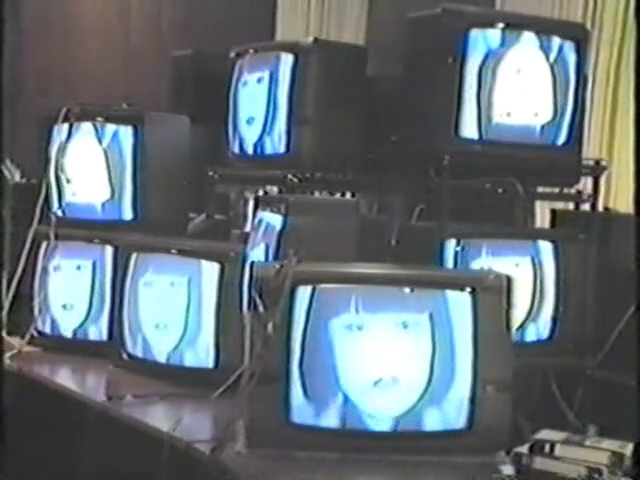
-
EDITORIAL
For its third issue, Octopus reached out to the curators of EMΣT as well as to writers and critics working outside the Museum, posing a series of questions concerning criticism, curating, and the theory of contemporary art in Greece. We were interested, on the one hand, to document their research and, on the other, to highlight issues we consider crucial not only for an internal understanding of the field of visual arts, but also for grasping its relationship to the broader political, social, and economic environment.
More specifically, we were interested in the following thematic areas:
• The emerging economies of art and their impact on artistic production; the entanglement of art with the politics of tourism and gentrification; residency programmes and their impact on both the form of artworks and the artistic process; and the role of private institutions.
• The redefinition of the institutional ‘localness’ and the role of art museums as domestic archival agents. Is there a need for a national history of art, or rather for the recognition of cultural diversity and of the museum as a mechanism of citizenship?
• Critical reflection on the morphological and generic determination of contemporary art, especially from the perspective of a museum that inscribes history. How is the practice of collecting defined?
• The forms of censorship that emerge with the rise of illiberal movements in the US and elsewhere, often taking the guise of a misleading defence of freedom of speech, e.g., by denouncing “cancel culture” or by opportunistically identifying alleged traces of antisemitism.
• Technological innovations regarded as new technical possibilities, as new tools, but also as fields that challenge the ontology of the artwork and the artist as a bearer of authenticity and originality.
The texts in the third issue predominantly fall within the first three thematic categories. The latter two will be addressed in a forthcoming series of podcasts, to be announced soon.
More specifically, the texts revolve around the triptych “Economy, Citizenship, Institutions”. Art critic Despina Zefkili attempts a retrospective look at efforts over the past twenty-five years to establish professional terms in the field of contemporary art, assessing both gains and dead ends, and documenting current precarious conditions. Daphne Vitali, curator at EMΣT, writes on the economic and cultural conditions of overtourism and gives examples of artists whose work is informed by related artistic research. Independent curator Pati Vardhami examines thirty five years of Albanian migration to Greece, the dual condition of silencing/exclusion faced by migrant artists, and the current situation of migrants claiming a voice within the field. Maya Tounta, independent curator and director of the art space Akwa Ibom, focuses on the importance of the local in artistic and curatorial practice as an experience that goes beyond the essentialist conception of the national. Nayia Yiakoumaki, director of the Hellenic Centre in London, reflects on the EMΣT exhibition The Greek Month in London in 1975, seeking to trace what has changed over the past half-century in terms of the reception and condition of Greekness abroad, and to outline certain directions in the policies of national institutions operating beyond Greece’s borders. Artemis Zervou, curator of the National Gallery, anthologises texts by women art critics from the 1950s, drawing on sources to document the archaeology of female critical and artistic discourse and the historicity of contemporary gender-related concerns. EMΣT curator Anna Mykoniati explores the history of contemporary art’s ambivalent relationship with painting and examines EMΣT’s museological policy regarding this medium. EMΣT curator Stamatis Schizakis revisits the 1980s and the awkward early appearances of the moving image media within the contemporary art world in Greece, mapping artists, exhibitions, and institutional frameworks that enabled the medium’s generic autonomy. Finally, in her introduction to the third issue, EMΣT director Katerina Gregos proposes a kind of manual for “The Art of Being an Artist”, perhaps the inverse of Arthur Schopenhauer’s seminal treatise The Art of Being Right.
Three years after the landmark exhibition on the work of composer and architect Iannis Xenakis, EMΣT is gearing up for exhibitions by Jani Christou and Stathis Logothetis, once again exploring the unexpected proximity between music and the visual arts. We thought it fitting to name this issue “Oblique Resonances”, referring to its oblique critical perspectives. After all, the issue began to take shape while EMΣT was organising an exhibition for the fiftieth anniversary of The Greek Month in London, curated by Polina Kosmadaki, and Sea Garden, an exhibition curated by Danae Giannoglou and Kyveli Mavrokordopoulou, which resulted from the Museum’s second open call to curators based in Greece. From this perspective, the exploration of current challenges in curating, criticism, and the theory of contemporary art is inextricably linked to the exhibitionary re-narration of contemporary Greek art that EMΣT is called upon to undertake, and is aligned with its mission statement, which, among other things, is “to stimulate creative memory practices that challenge the prevalent culture of presentism and amnesia”.The Editorial Team
-
1
Katerina Gregos
THE ART OF BEING AN ARTIST: A USER’S MANUAL
READ ARTICLE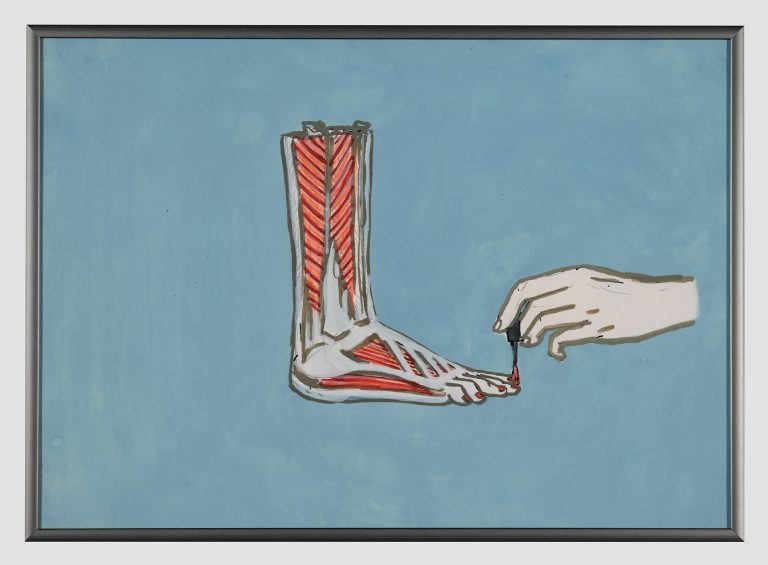
-
2
Despina Zefkili
Fast-burning fuels
READ ARTICLE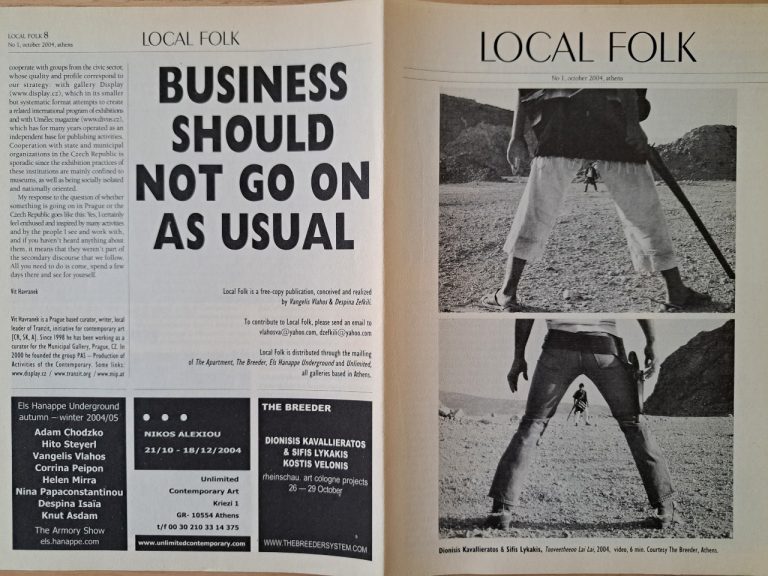
-
3
Daphne Vitali
Late Torments of Overtourism
READ ARTICLE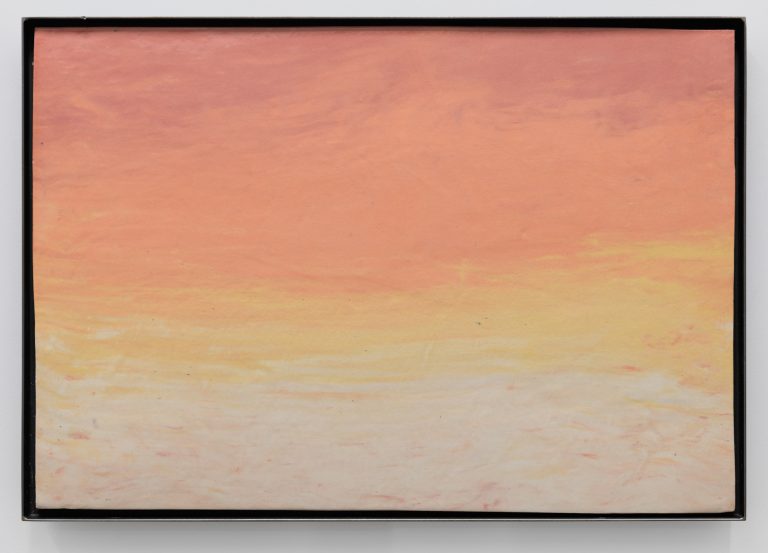
-
4
Pati Vardhami
The visual story of 35 years a migration
READ ARTICLE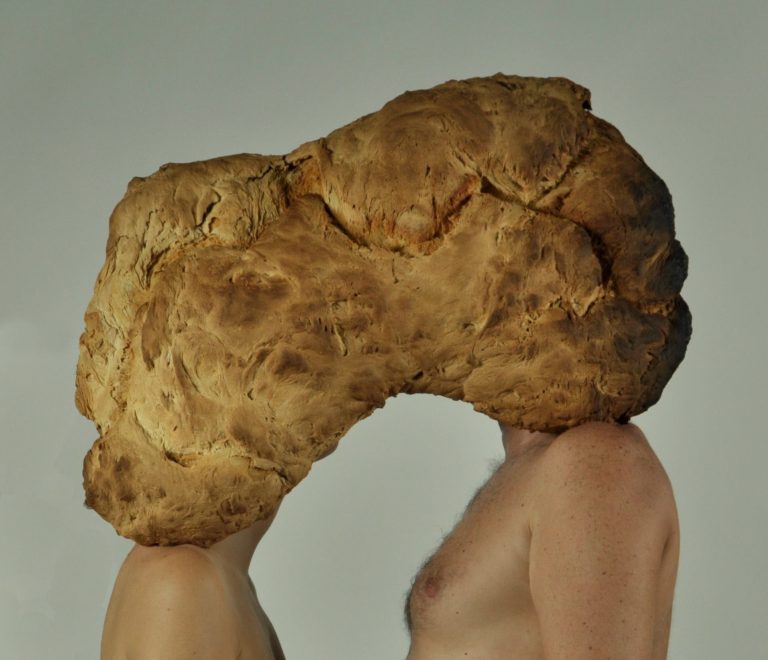
-
5
Maya Tounta
Participation.
READ ARTICLE
-
6
Nayia Yiakoumaki
Context, Reflection, and the Shifting Landscape of Cultural Exchange
READ ARTICLE
-
7
Artemis Zervou
“Movement and Problems. Galleries, exhibitions, challenges…”
READ ARTICLE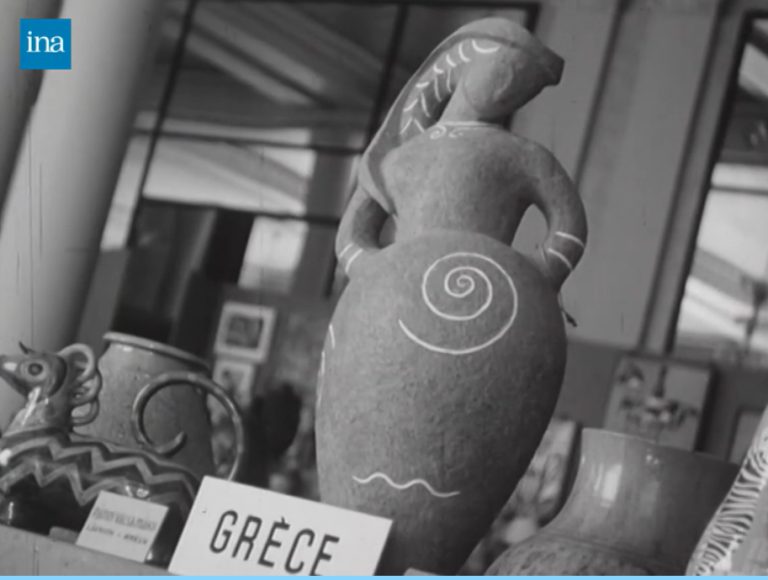
-
8
Anna Mykoniati
Painting in Contemporary Art
READ ARTICLE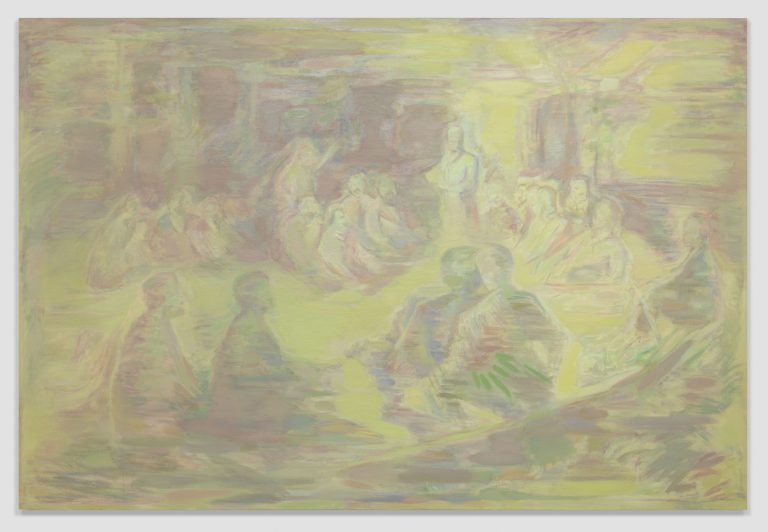
-
9
Stamatis Schizakis
Killing new media art when it grows old
READ ARTICLE